REPERTOIRE

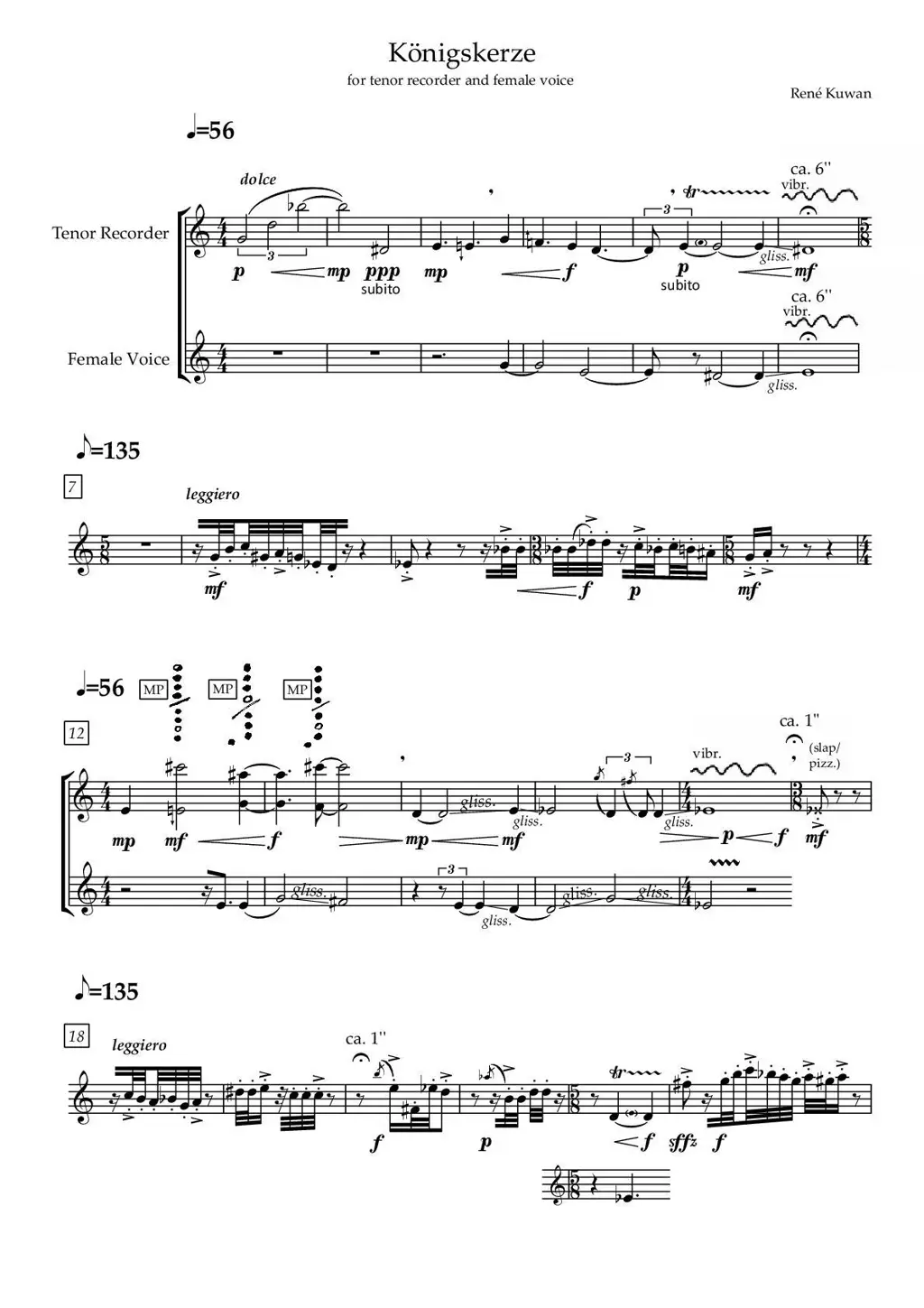
The composition draws musical inspiration from “Alleluia! O virga mediatrix” by Hildegard of Bingen, one of the earliest female composers and universal scholars in history. This particular Alleluia is especially notable for its melancholic character, and its distinctive opening—whether sung and/or played—appears frequently throughout the piece. In the text of “Alleluia! O virga mediatrix,” Hildegard of Bingen attributes healing power to the Virgin Mary and her womb. Naturopathy was one of the central themes in Hildegard’s life and work. The title of the piece, “Königskerze” (“mullein”), refers to the healing properties of this plant, which, according to Hildegard of Bingen, is beneficial for the voice and respiratory tract. I myself regularly make use of its soothing and supportive effects.
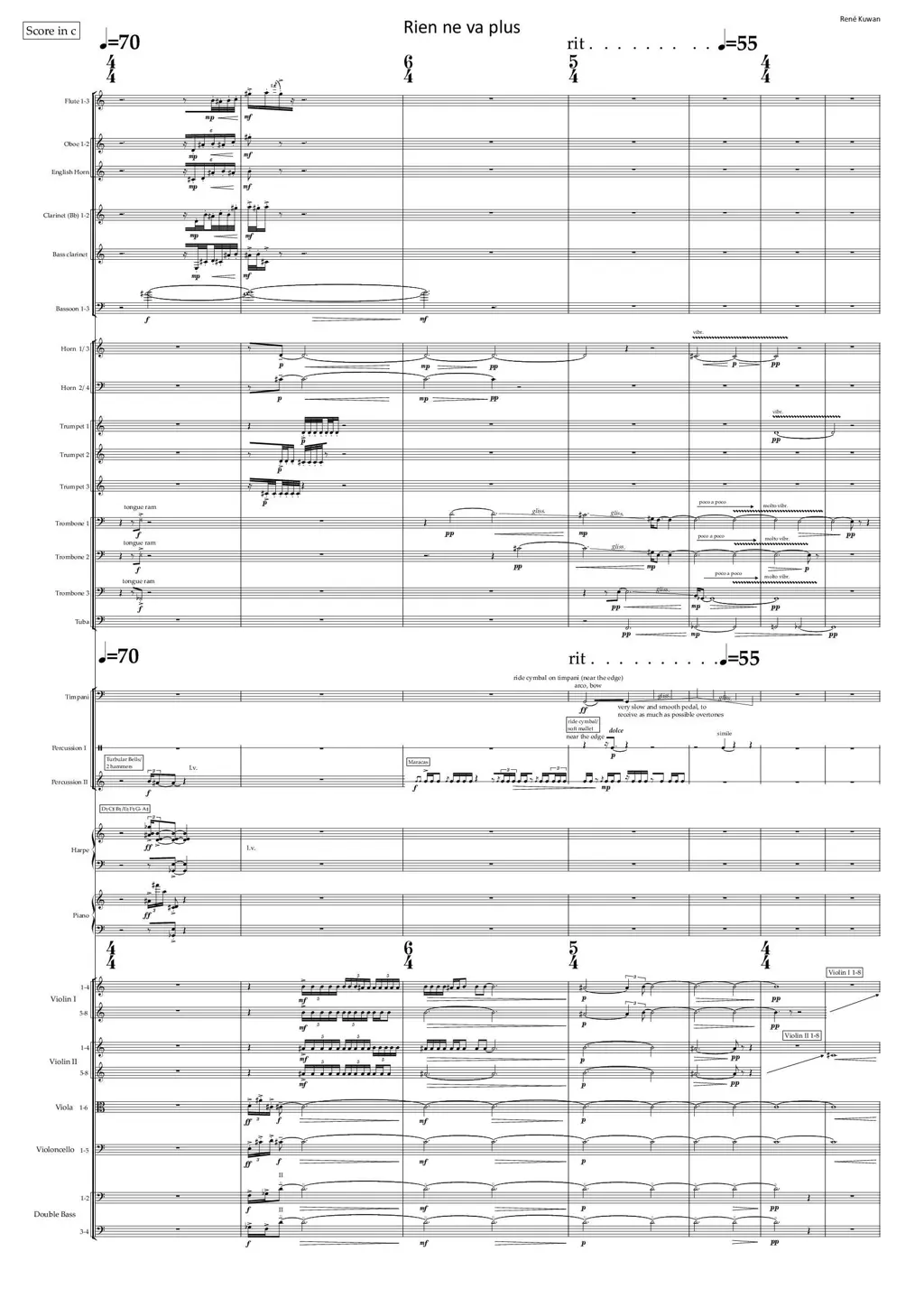
The piece addresses the fundamental phenomenon of movement and stillness, from which it draws its inspiration. The music is therefore shaped by ongoing developmental processes that unfold both alternately and simultaneously, generating powerful passages that are repeatedly permeated by static phases of stillness which, nevertheless, remain highly animated within themselves.
Furthermore, recurring sections and chords—returning in altered form—constitute the core idea of the composition. Here, variation signifies both memory and transformation: a renewed hearing of the same, but also a recognition of what has already been heard within something different.
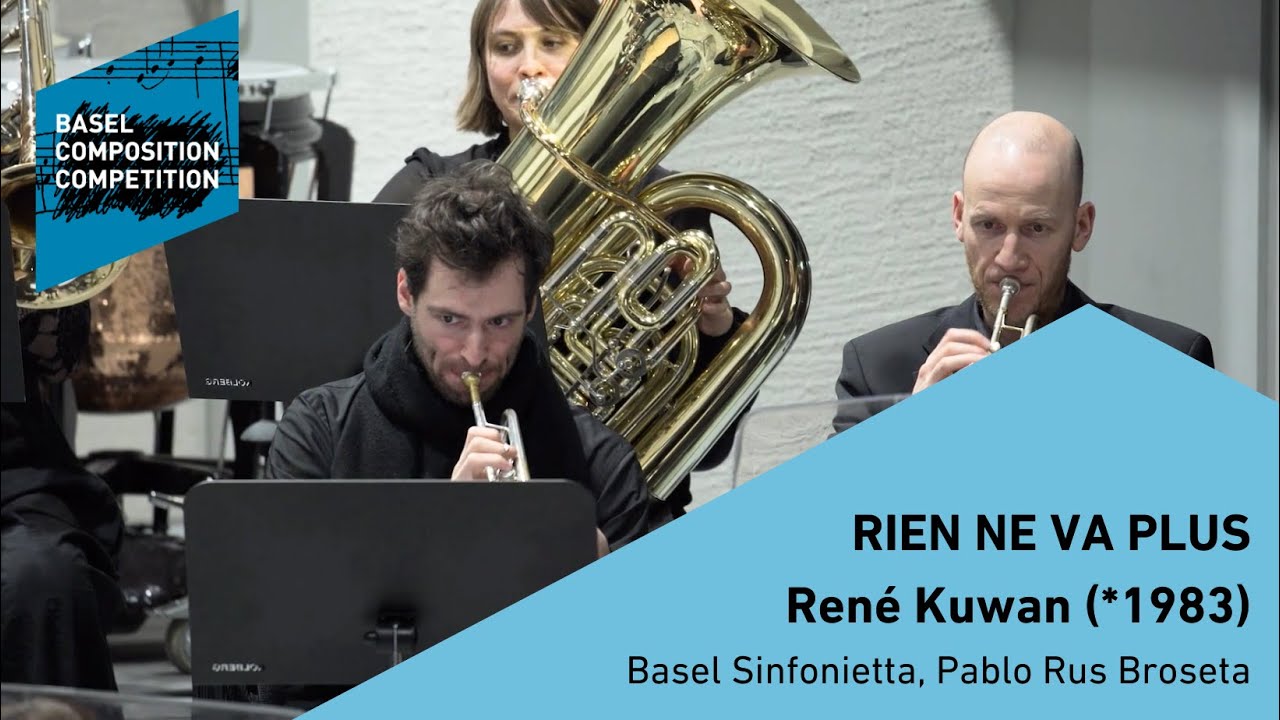
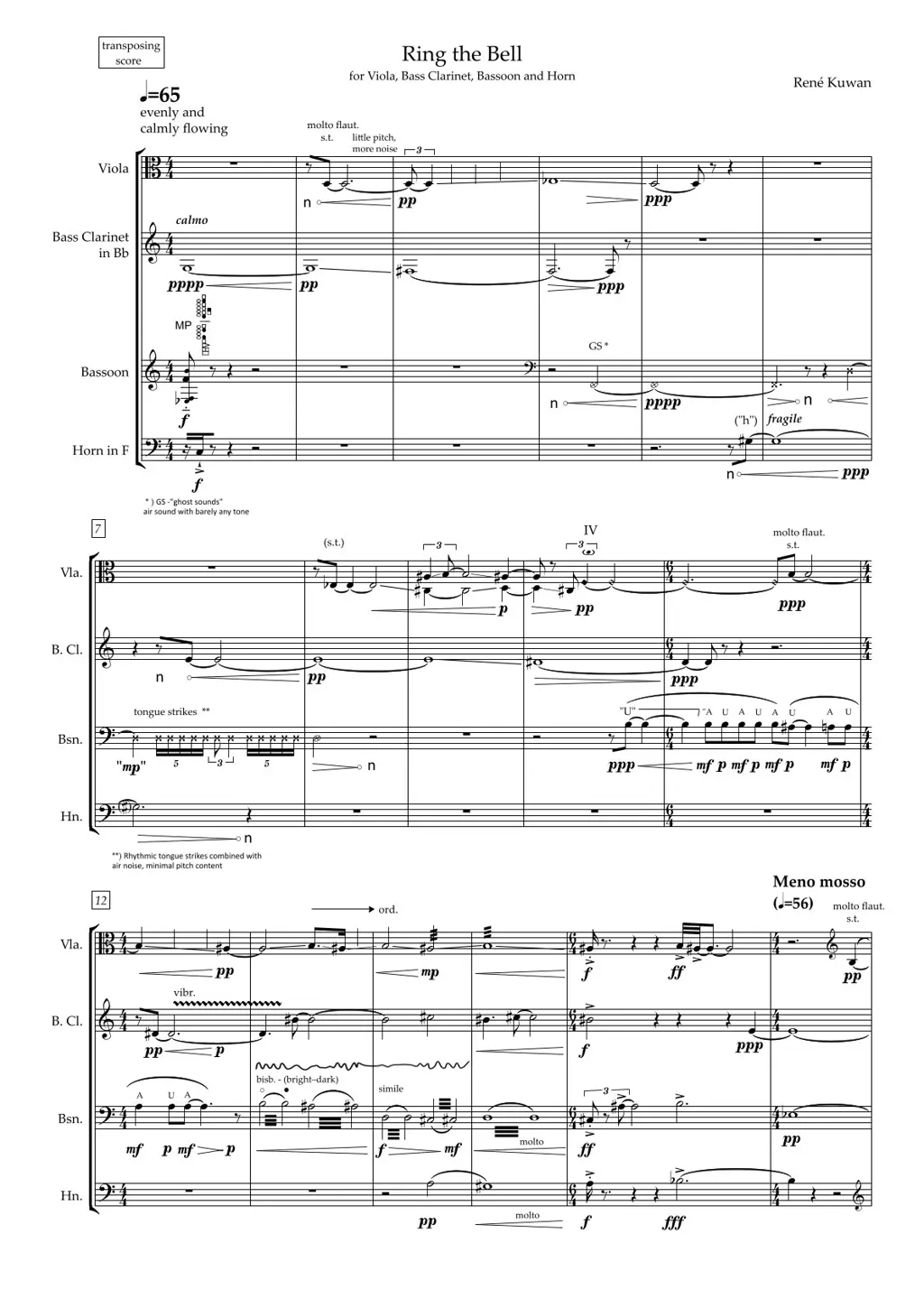
The piece explores a flickering beam of light that slowly unfolds and shifts in color, symbolizing the absence of light during the dark, gray days of November. “Bell” in the title refers both to the bell of the horn and to the intonational changes generated by movements of the left hand inside the instrument’s bell. This phenomenon lies at the center of the piece and elicits responses from all other instruments.
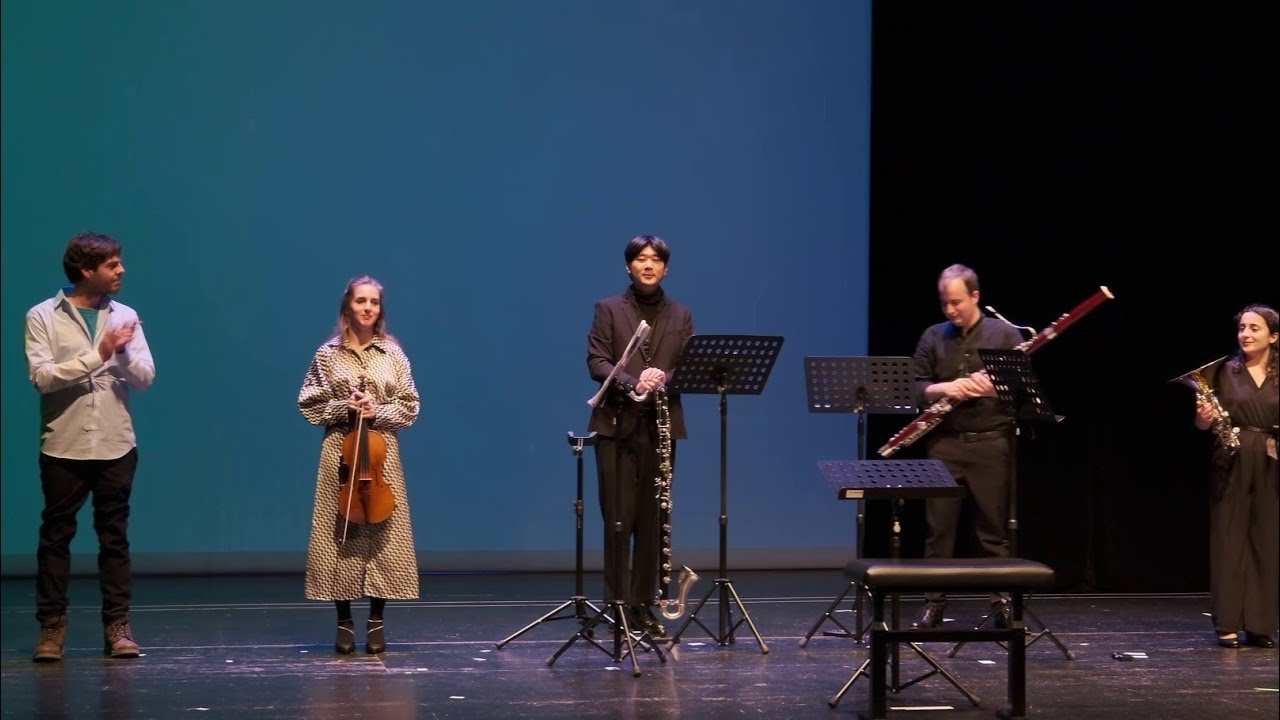
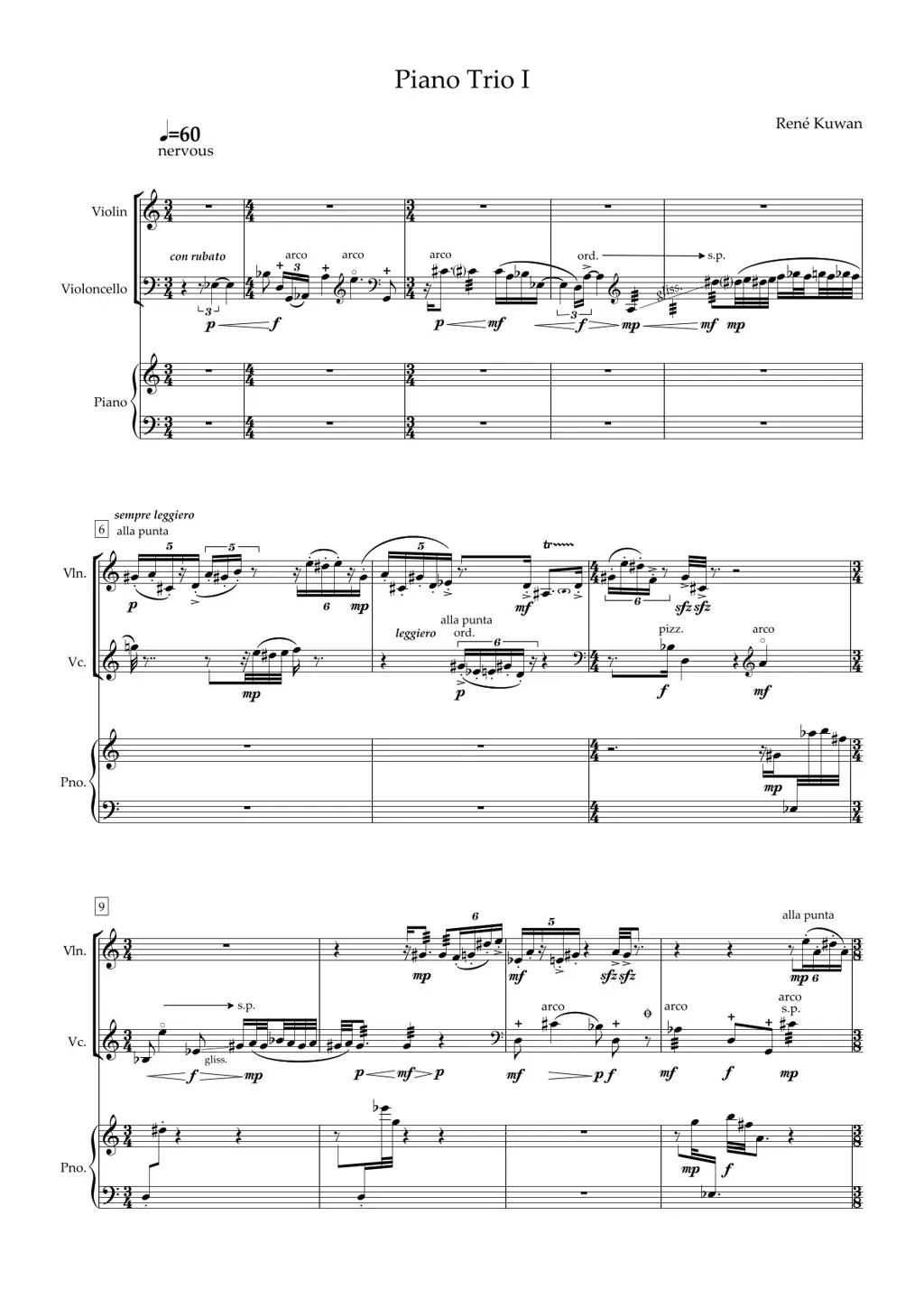
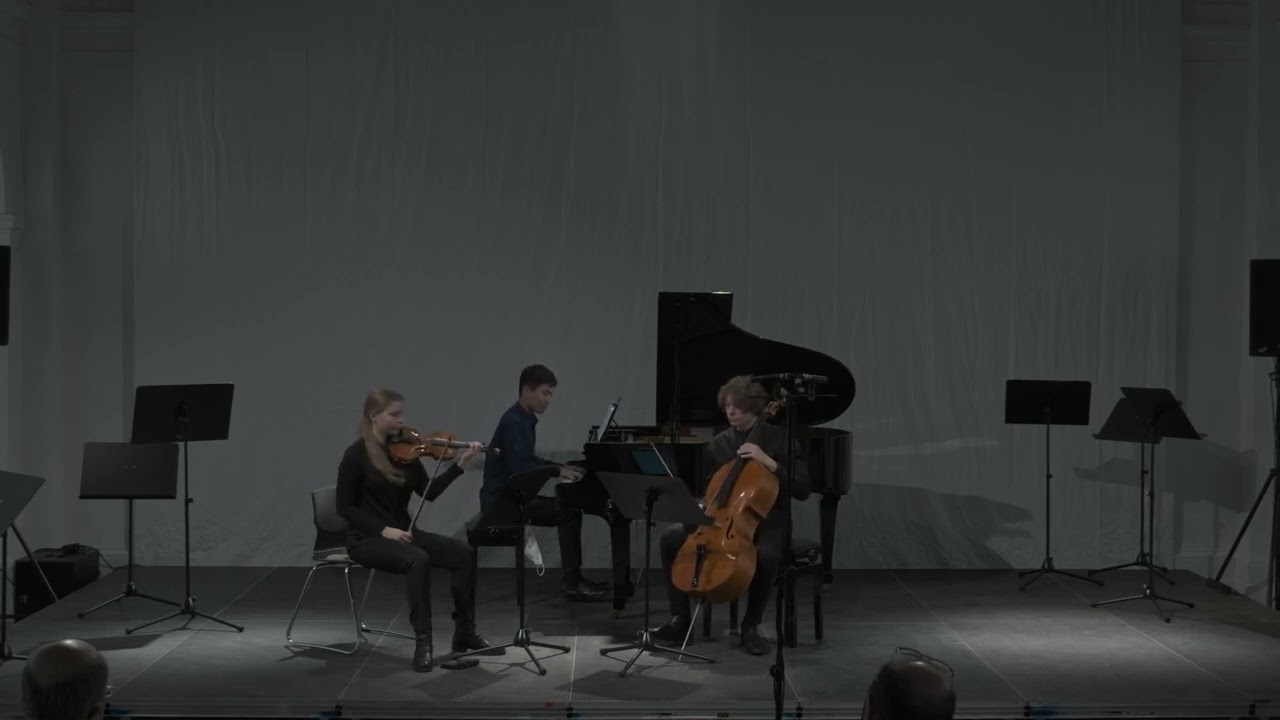
This piano trio refers to nothing other than music itself. The form unfolds through three sharply profiled sections, each defined by its own acoustic behavior. These fixed zones return throughout the piece in altered states, clearly set apart from the surrounding sections by shifts in harmonic density and gestural material. Their reappearances do not function as repetition, but as renewed listening situations, opening up different layers of color, resonance, and texture. Certain chordal constellations surface at specific moments, while recurring gestural figures carve the music into perceptible sections, shaping the temporal experience of the work.